
- +91 98057 53890
- hello@uranoteholidays.com
- Koti, Kufri Chail Rd, Shimla, 171012
Nestled in the lap of the Himalayas, Spiti Valley is a dream destination for adventure seekers and nature lovers alike. With its serene landscapes, ancient monasteries, and rich culture, Spiti offers an experience like no other. Planning your first trip? Don’t worry—we’ve got you covered. Here’s everything you need to know about making your Spiti adventure unforgettable.
Getting to Spiti is half the adventure! Being a remote high-altitude valley, it’s not exactly a hop, skip, and jump away. However, the routes to Spiti are as scenic as the destination itself.
There are two main routes to Spiti:
This route is shorter but more challenging, especially as roads can be treacherous due to weather conditions. Kunzum Pass remains closed in winter, so this route is only open from May to October.
This is a longer but relatively easier route. The roads are in better condition, and you’ll pass through lush green valleys before entering the stark beauty of Spiti. This route remains open for most of the year, except during heavy snowfall.
The nearest airports are in Kullu (Bhuntar) and Shimla. However, they have limited connectivity. Flying to Chandigarh and then driving up to Spiti might be a more reliable option.
Buses and shared taxis are available from Manali and Shimla. While budget-friendly, they can be time-consuming and less comfortable compared to private vehicles.
Spiti transforms with the seasons, and each offers a unique experience. Here’s what you can expect:
Spiti is full of wonders, each more awe-inspiring than the last. Make sure to add these must-visit spots to your itinerary:
The heart of Spiti and its largest town, Kaza serves as the base for exploring the valley. With cozy cafes, small markets, and stunning views, it’s your gateway to Spiti’s charm.
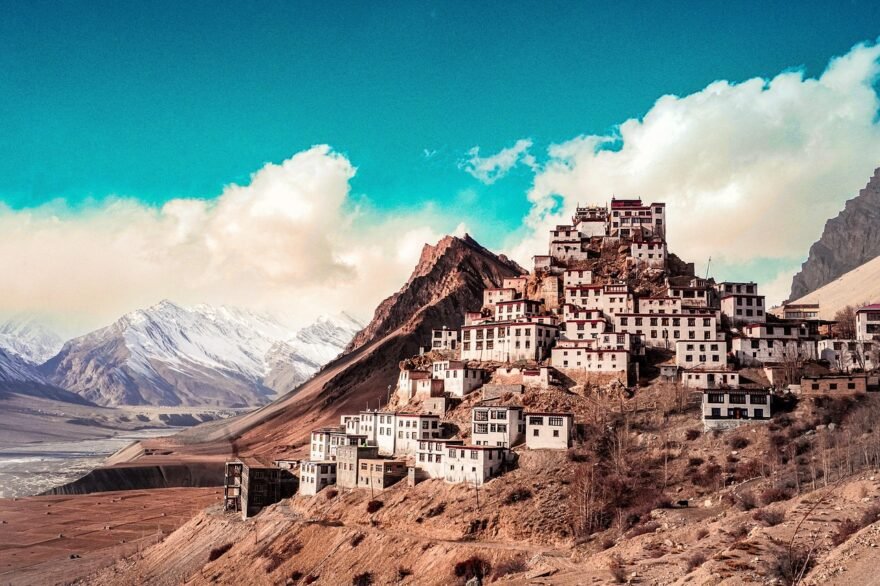
Perched on a hill, this centuries-old Tibetan Buddhist monastery is a must-visit. Its architecture, history, and stunning panoramic views make it unforgettable.
Famous for its giant Buddha statue overlooking the valley, Langza is also known for its marine fossils. It’s a picturesque village that’ll make you feel like you’re stepping back in time.
Translating to “Moon Lake,” Chandratal is an ethereal blue lake surrounded by mountains. It’s an unforgettable experience to camp here under the starlit sky.
This ancient monastery perched precariously on a cliff offers breathtaking views and a unique peek into Spiti’s spiritual side. It feels like something out of a fantasy movie!
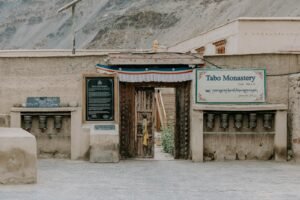
Often called the “Ajanta of the Himalayas,” Tabo Monastery is a treasure trove of ancient Buddhist murals and art, dating back to 996 AD.
Traveling to Spiti is exhilarating, but preparation is key. Here are some helpful tips for first-time visitors:
Spiti isn’t just about landscapes—its culture is equally fascinating.
Spiti’s residents, known as Spitians, are warm and welcoming. They follow Tibetan Buddhism, and the valley is dotted with monasteries where you can witness ancient rituals. Respect their customs, especially at religious sites (e.g., don’t point your feet toward sacred icons).
Spitian food is simple yet delicious. Don’t miss trying:
Eating at homestays and local dhabas (small roadside eateries) allows you to savor authentic Spitian flavors.
Spiti is more than just a destination—it’s an experience that stays with you long after you’ve left. Its stark landscapes, where every turn offers a postcard-perfect view, feel like stepping into another world. You’ll find peace under star-drenched skies, humility in the majestic monasteries, and joy in the simple way of life of the locals.
If you’re ready for adventure, breathtaking beauty, and the chance to disconnect from the chaos, Spiti is waiting for you. Pack your bags, set your spirit free, and get ready to fall in love with one of India’s most mesmerizing regions.
See you in Spiti!